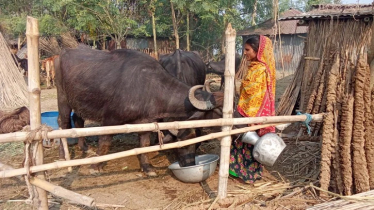

DHAKA – Agricultural experts and livestock specialists are emphasizing a strategic approach to dairy cattle nutrition to maximize milk production and ensure animal health. According to recent guidelines, a precise balance of concentrate feeds, roughage (straw and green grass), and constant access to clean water is essential for high-yielding dairy cows.
The Golden Ratio: Precision Feeding
To maintain peak productivity, experts recommend a calculated feeding regimen based on the cow’s body weight and daily output. The standard nutritional benchmark suggests:
-
Maintenance Dose: A base of 1.5 kg of concentrate feed for the cow's body maintenance.
-
Production Dose: An additional 1 kg of concentrate for every 3 kg of milk produced.
Components of a Balanced Diet
A sustainable and high-performance diet for dairy cows should include three core categories:
-
Concentrate Mix: A high-energy blend of maize (corn), rice bran, wheat bran, soybean meal, and mustard oil cake.
-
Roughage (Fiber): Essential for rumen health, consisting of dry straw (paddy or wheat) and high-quality green fodder such as Napier or Para grass.
-
Supplements & Hydration: Inclusion of common salt, vitamin-mineral premixes, and an uninterrupted supply of purified drinking water.
Strategic Management Practices
Efficient farm management is as crucial as the feed itself. Specialists suggest dividing the daily ration into two to three feedings to ensure better digestion. While green grass should be made available as frequently as possible, farmers are encouraged to utilize locally sourced ingredients to manage costs without compromising quality.
Risks of Imbalance
The report warns against two extremes in cattle nutrition. An over-reliance on concentrates can lead to excessive fat accumulation, which negatively impacts reproductive health. Conversely, a deficiency in essential nutrients leads to a sharp decline in milk yield and leaves the animal vulnerable to disease.
"Consistency is key," says a local livestock consultant. "By balancing local resources with scientific feeding ratios, farmers can significantly improve both the quantity of milk and the longevity of their livestock."