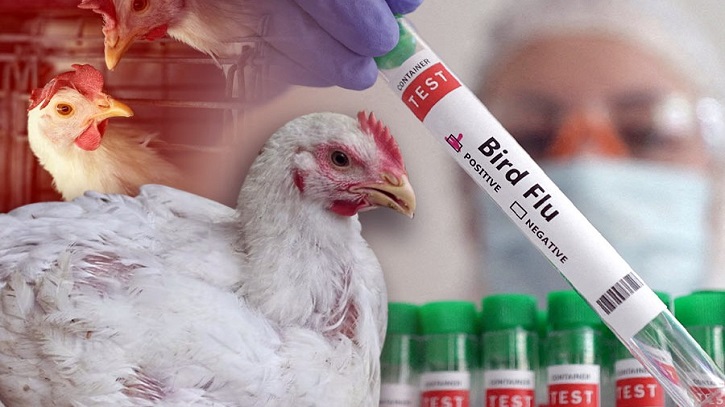
A deadly outbreak of bird flu is spreading rapidly across Europe, prompting massive culling operations and renewed fears of a wider epidemic. Germany has already ordered the culling of 130,000 ducks and chickens to contain the spread of the virus.
In the city of Linum, more than a thousand storks have been found dead, with biologists suspecting bird flu as the likely cause. Experts warn that this outbreak marks the most widespread wave of bird flu in Europe in the past decade, affecting numerous countries and driving up food prices amid mass poultry slaughter.
Authorities in Germany have intensified containment efforts after detecting a new strain of the H5N1 virus. Two farms have reported infections, leading to the culling of 50,000 broiler chickens and 80,000 ducks.
One of the workers involved in the culling operation said, “We have to eliminate around 130,000 birds. It will take at least two days to complete the process.” Another added, “We have recovered many dead storks and geese, and there is concern that the infection could spread to other wild animals.”
To protect public health, the culling is being carried out in consultation with health authorities. Preventive measures have been implemented across multiple German cities, including mandatory confinement of poultry and restrictions on bird movement. The country’s Animal Disease Research Center has classified the outbreak as “high risk.”
In addition to domestic poultry, the virus has now infected wild birds for the first time in Germany, including storks. In Linum, located in the northeastern Brandenburg region, volunteers have collected more than a thousand dead storks from grasslands to prevent further contamination.
Norbert Schneeweiß, chief biologist of the Brandenburg Environmental Agency, said, “I have managed this migratory bird site for 25 years, but I have never seen anything like this. The sudden death of more than a thousand storks in such a short time is alarming. The virus could easily spread among other wild bird populations.”
Experts have issued warnings that the virus could potentially spread from birds and poultry to humans, urging strict biosecurity and monitoring measures to prevent a broader health crisis.