
Dhaka   Wednesday
18 February 2026

Winter Poses Growing Risks for Fish Farmers Nationwide

Staff Correspondent

Published: 22:43, 20 December 2025

Winter Poses Growing Risks for Fish Farmers Nationwide

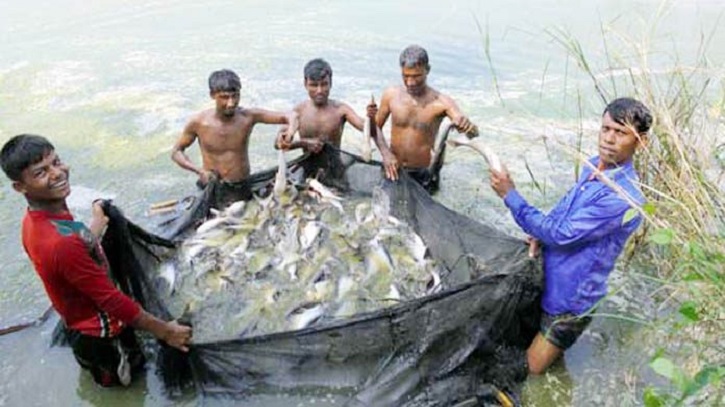
Fish farmers across the country face a range of challenges during the winter season, as falling temperatures significantly disrupt fish feeding behavior, metabolism, and overall pond ecology. In cold conditions, fish reduce their intake of feed, which often leads to uneaten feed decomposing in pond water. This process increases ammonia levels, while reduced water circulation and diffusion limit the availability of dissolved oxygen. Together, these factors can result in stress and, in severe cases, mass fish mortality.

In confined ponds, cold water causes fish to reduce movement, slowing their metabolism and further suppressing appetite. At the same time, lower water temperatures increase the prevalence of various diseases. Shorter daylight hours mean reduced exposure to sunlight, preventing adequate warming of pond water and further lowering water temperature.

Fish digestion and metabolic activity are optimal at temperatures between 28 and 32 degrees Celsius. When temperatures fall below this range, digestion slows and growth rates decline accordingly. Reduced sunlight also limits natural oxygen production in ponds, making respiration difficult for fish. In oxygen-deficient conditions, fish often surface and gasp for air, a clear sign of distress that can precede mortality.

The reduced formation of phytoplankton in pond water further compounds the problem. As phytoplankton levels decline, dissolved carbon dioxide concentrations increase, making respiration more difficult for fish. In addition, the reduction of natural food sources such as phytoplankton and zooplankton leads to feed scarcity, resulting in poor growth performance.

Water quality parameters also become unstable during winter. For healthy fish growth, pond water pH should remain between 6 and 8. When pH falls below 6, the water becomes acidic, causing fish to lose appetite. Conversely, when pH exceeds 8, the water becomes alkaline, and excessive alkalinity can lead to fish mortality.

Winter conditions also increase the incidence of parasitic, fungal, and bacterial diseases in fish. Without proper care, fish may suffer from lice infestations, malnutrition-related disorders such as blindness and skeletal deformities, ulcer disease, tail and fin rot, gill rot, and abdominal swelling, all of which can lead to significant losses.

To mitigate these risks, fish farmers are advised to adopt comprehensive winter management practices. Vegetation and tall trees along pond embankments should be cleared as much as possible to ensure adequate sunlight reaches the pond from sunrise to sunset. Artificial methods should be used to increase oxygen levels in pond water.

Oxygenation can be improved by netting, swimming through the water, or striking the surface with bamboo poles. In larger ponds or enclosures, artificial oxygen tablets such as SI Oxytab may be applied in the evening at a rate of four to five kilograms per acre.

Dragging nets through ponds every 10 to 15 days helps farmers assess fish health, population density, and weight. This practice also releases harmful gases trapped at the pond bottom, improving overall water quality.

If fish mortality occurs due to ammonia toxicity, farmers may apply SI Amofree-L or SI Amofree-P at a rate of five milliliters per decimal, mixed with 20 milliliters of Chitagur. Excess algae, debris, water hyacinth, weeds, and other harmful aquatic plants should be removed regularly.

To maintain pond water pH within the optimal range of 6 to 8, farmers are advised to apply SI Biozeo Plus at a rate of six to seven kilograms per acre every 15 to 20 days or once a month at the onset of winter. If pH rises excessively, two liters per acre of vinegar or an acidifier such as Acidine may be applied. In cases of low pH, SI Royal Geo should be applied at a rate of 15 to 20 kilograms per acre.

To promote phytoplankton growth, inorganic fertilizers, particularly urea at four to five kilograms per bigha per month and triple super phosphate at five to six kilograms per bigha per month, should be soaked for three days before application. Additionally, SI Phytogro may be applied at three to four liters per acre during periods of strong sunlight.

To support balanced growth during winter and improve digestive efficiency, farmers are advised to mix high-quality enzyme-based growth promoters such as SI Growfish with fish feed. This helps stimulate appetite and improve feed utilization. Alongside this, a premium immunomodulator jelly such as SI Royal Gel should be mixed at a rate of 10 milliliters per kilogram of feed and administered continuously for 15 to 20 days.

As pond water levels typically decline during winter, adequate water supply should be ensured, and fish stocking density should be kept at normal or reduced levels. If pond water becomes excessively polluted, partial water exchange is recommended. To prevent further contamination, granular soil probiotics such as SI Proclean may be applied directly to the water at a rate of six to eight grams.

When necessary, disinfectants such as SI Chlor-T may be applied at a rate of one tablet per decimal, along with copper sulfate pentahydrate 10 percent formulation such as SI Phytoclean at 30 milliliters per decimal.

Throughout the winter season, maintaining water quality is essential. Farmers are advised to apply a high-quality water probiotic such as SI Royal Pro at a rate of 500 grams per acre, mixed with two kilograms of red sugar in clean water, every 15 days to sustain a stable and healthy pond environment.

Headlines:

IMF funds hard to access despite $30bn disaster need
BAU talks with protesting students end without result
Fisheries Adviser Vows Action Against Illegal Nets
Adviser Stresses Biotech to Secure Agriculture Future
Allegation of Mass Duck Killing in Nasirnagar
Foreign Fruit Farming Expands Rapidly in Bangladesh
Deep-Sea Port to Transform Fisheries Export Sector
Dhaka Skies Cloudy with Rain Likely, Temp to Ease
Globe Biotech Wins US Patent for COVID-19 Vaccine
Bangladesh Sees Progress in US Cotton and Wheat Deals
Fisheries Adviser Criticizes Image Display in Workshop
Bangladesh Reports Three Deaths, 685 Dengue Cases
Bangladesh Struggles to Develop Heat-Tolerant Rice
Rare Golden Shark Spotted for First Time in Costa Rica
Syndicates Use Receipts to Launder Smuggled Indian Cattle
Weather office warns of storms across 10 districts
Bangladesh presses US for further tariff reduction
Bangladesh to establish nationwide milk chilling centers
Students can apply for government medical assistance
Teesta River water crosses danger mark in Lalmonirhat
Hilsa Export to India Aimed at Regional Harmony
Govt Saves Tk 233 Cr in First Fertilizer Import Order
Workshop Held on Speed Breeding for Wheat in Dinajpur
Egg-Eating in Layer Hens a Major Threat to Profits
Rain Forecast for Next Five Days Across Bangladesh
1% Tax Imposed on Edible Oil Imports in Bangladesh
Bangladesh to Import US Wheat to Cut Trade Deficit
Bangladesh Emerges as Global Climate Hotspot
Iceberg A23a Breaks Up Near South Georgia
Bangladesh clears hilsa export of 1,200 tons to India
Schools to aid nationwide typhoid vaccination campaign
Black Australorp emerges as profitable poultry choice
Rajshahi silk revival efforts aim to restore lost glory
Rain likely across Bangladesh as temperatures rise
Once-famed Khatkhatia brinjal vanishes from Rangpur
Bluegrass AgTech awards $300K to ag-tech innovators
Man dies after 47-year legal fight, family battles on
Weather Forecast Warns of Rain in Northern Regions
Indian Citizen Accused of Being School Head in Pabna
Adviser Urges Fisherwomen to Get Equal Access to Cards
Stronger Tobacco Control Law Demanded in Bangladesh
Bangladesh Sets Up First Live Gene Bank for Endangered Fish
First Consignment of Hilsa Exported to India via Benapole
Dinajpur Farmers Focus on Early Winter Vegetable Farming
Rising Popularity of Indigenous Cattle Breeds in Bangladesh
Kerala on Alert as Brain-Eating Amoeba Claims 19 Lives
Six More Die from Dengue as Hospitalizations Rise
Education Ministry Sets Rules for School Board Chair
Six Bangladeshi Fishermen Abducted by Indian Pirates
Governor Stresses Stronger Support for Agri Entrepreneurs
Mymensingh Leads Nation in Record Fish Production
Banned Acacia Trees Still Planted Despite Govt Order
Sugar Queen Watermelon Brings Prosperity to Netrakona
AIS Urged to Lead Modern Agri Information Services
Early Radish Harvest Brings Smiles to Comilla Farmers
NBR Imposes 20% Duty on Rice Bran Oil Exports
680,000 km² Marine Reserve Established Near Gambier
Canary Islands Face Heat, Dust as Calima Hits
Shrimp sector in Cox’s Bazar’s Chakaria faces crisis
Floating vegetable farming thrives in Nabinagar
Mirpur bird market draws rare birds and rabbits
UAE Imposes Visa Ban on Citizens of Nine Countries
Weather Office Predicts Bay Low-Pressure Formation
Fertilizer Supply Stable, Says BADC Chairman
Sonali Chicken Farms Need Proper Care for Egg Yield
US, Bangladesh Advance Defense Ties with Pacific Angel
NCDs and Mental Health Kill Millions, WHO Warns
Bangladesh’s Little-Known Sonaban Fish Faces Decline
Rising Costs and Pests Hit Kushtia Aman Rice Farmers
Twelve BAU Scholars Among World’s Top Two Percent
Pesticide Error Destroys Aman Rice in Kushtia Fields
Dealers Accused of Overpricing DAP in Kishoreganj
Poultry Farmers Urged to Act on Worm Infestations
BBS Survey Flags Low Productivity on Majority of Farms
Hanging Watermelons Bring High Returns in Narail
Govt to Buy Potatoes to Support Farmers’ Prices
BFRI Reviews Annual Progress and Future Plans
ADM and Alltech Announce North American Feed Venture
BIO: Tariffs Threaten U.S. Health, Security, Innovation
Global Ocean Biodiversity Treaty to Take Effect in 2026
WHO Awards Nations and NGOs for Tackling Obesity
Bangladesh to Manufacturing Pesticides Domestically
Farmers to Get 4% Loans for Wheat, Maize Cultivation
Heavy Debt Pushes Farmers Into Poverty Cycle
Young Farmer Earns Tk 3 Lakh a Month from Duck Hatchery
Manpower Shortage Hampers Khagrachhari Fish Hatchery
EU Backs Restoration of Žuvinto Wetland in Lithuania
Govt to Buy 50,000 Tons of Potatoes for Market Supply
Fishermen Struggle as Hilsa Catch Declines Sharply
Surjomoni Project Boosts Climate-Resilient Farming in Satkhira
Govt Launches Affordable Eco-Friendly Jute Bags in Dhaka
Bangladesh seeks deeper climate, trade ties with Brazil
Sugarcane Farmers in Lalmonirhat See Double Profit
Heavy Rain, Thunderstorms Likely Across Bangladesh
Rizwana Hasan Calls for Unity to Build Green Bangladesh
Seed Shortage and Flooding Threaten Aman Cultivation
Farida Akhter: Rural women key to nutrition security
Deep Depression Forms in Bay, Ports Issued Signal 3
Study: Ocean Acid Hurting Marine Predators Too
Agriculture Secretary: No Fertilizer Crisis Ahead
Farmers Battle Climate Change to Save Aus Rice
Farmers Urged to Adopt Best Practices for Sonali Poultry
Rizwana Hasan Urges Action to Protect Wild Elephants
‍Agri University Cluster Admission Test-2024 Result published visit: www.acas.edu.bd
Special train for ‘agro-products’ from Chapainawabganj suspended
Mini Cold Storage to Reduce Crop Loss, Says Advisor
Hijackers Flee With Cattle Truck Worth Tk 12 Lakh
Climate Adaptation Helps Char Communities Achieve Self-Reliance
Traditional Betel Leaf Farming Thrives in Haimchar
Weather Office Warns of Rain, Heatwave in September
Marginal Farmers Succeed in Sugarcane Farming in Kaptai