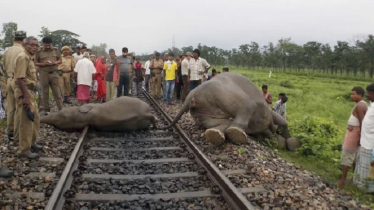
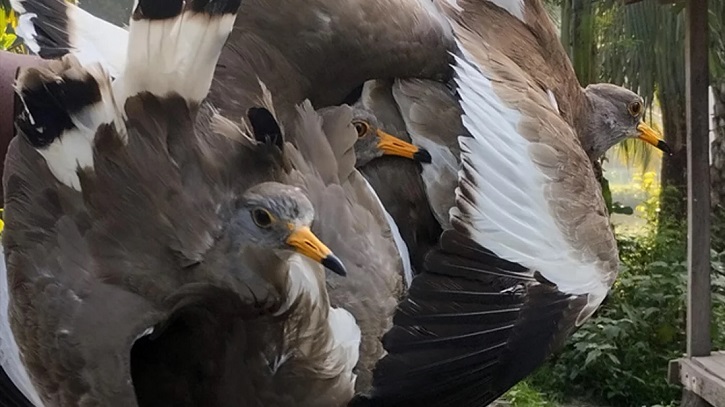
With the onset of early winter, migratory birds have begun arriving in the wetlands and water bodies of Chitalmari and Mollahat upazilas after traveling thousands of kilometers from colder regions. However, these birds are now facing severe threats due to the unchecked activities of local hunters. Under the cover of darkness, indiscriminate trapping and netting of migratory species continue unabated.
According to local sources and field observations, large-scale hunting is taking place across various wetlands of Chitalmari and Mollahat, including Choudduhajari, Sabokhali, Danokhali, Koligati, Ruiyer Kul, Godara, Kapuria, Surigati, Gaula, Naldha, Chander Hat and Kendua. At night, hunters use whistles made from water hyacinth leaves and recorded bird calls played through sound boxes to lure unsuspecting birds into traps.
Nirmal Mondal, a resident of Kendua Bilpar, said hunters mimic bird calls so skillfully that species such as ducks, Kalidiguri, Bure, Kalkuch and many others descend toward the sound in search of food, only to become entangled in nets spread across the water.
A local resident, requesting anonymity, stated that no effective initiatives have been taken to stop the hunting of migratory birds. Instead, those who protest often find the same birds being served at the dining tables of the very people who claim to oppose the practice.
Villagers allege that unless the administration and the Forest Department take meaningful action, these wetlands may soon lose their seasonal visitors entirely. They warn that strict and immediate measures are crucial to protecting nature and preserving the region’s biodiversity.