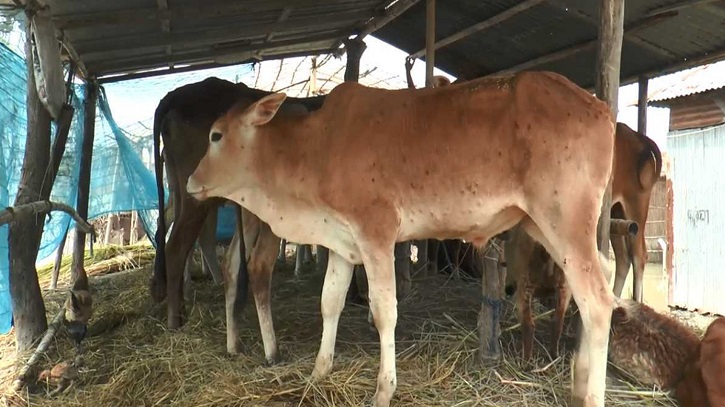
Lumpy Skin Disease (LSD) in cattle begins with a fever and loss of appetite. As the disease progresses, affected animals discharge saliva from the nose and mouth, and their legs swell, often accumulating fluid between them. Nodules form on various parts of the body, causing hair to fall out and wounds to develop. These wounds can rapidly spread across the body, sometimes bleeding and swelling. Some swellings burst, releasing pus and creating painful sores. Due to ulcers in the stomach or mouth, infected cattle lose interest in drinking water and feeding.
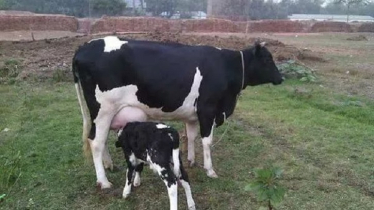
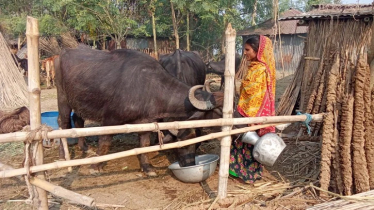
The disease spreads from infected cattle to others through several pathways. The primary carriers of the virus are mosquitoes and flies, though other insects may also transmit it. Saliva from infected cattle can contaminate feed, and caregivers’ clothing may spread the virus between animals. The virus is also present in the milk of infected cows, which can infect calves who consume it. Veterinary practitioners in rural areas sometimes unintentionally spread the virus by using the same syringe on multiple animals. Additionally, the virus can be transmitted through the semen of infected bulls used for breeding. The disease affects mainly cattle, buffaloes, and goats.
There is no simple cure for LSD, and although outbreaks have occurred before, a readily available vaccine is still lacking. However, maintaining clean and hygienic farm environments and controlling mosquito and fly populations can help manage the disease. Infected cattle should be isolated in covered sheds to prevent transmission. Milk from infected cows should not be fed to calves but disposed of safely. Shared equipment or feed should not be given to healthy animals. Wounds should be cleaned regularly with iodine tincture.
Livestock experts emphasize that there is no specific treatment for LSD, and prevention through awareness is critical. Treatment is based on symptoms, initially involving antipyretics and antihistamines. If nodules rupture or secondary bacterial infections develop, systemic antibiotics are administered. Fly repellents can be used to prevent flies from settling on open wounds. Typically, the disease resolves on its own within 21 days. Immediate consultation with an upazila livestock officer or registered veterinarian is advised upon noticing symptoms to ensure proper care and control.