In a major relief for the textile and garment industry, the Bangladesh government has withdrawn the source tax on the import of cotton and other key raw materials used in ready-made garments (RMG) production. The decision was announced through an official gazette issued by the National Board of Revenue (NBR) on Thursday, July 17, signed by AKM Badiul Alam, NBR Member (Tax Policy).
The notification, issued under the authority of Section 343 of the Income Tax Act, 2023, and Sub-rule 8 of the Withholding Tax Rules, 2024, states that the rate of source tax on the import value of certain goods has been set at 0% (zero percent).
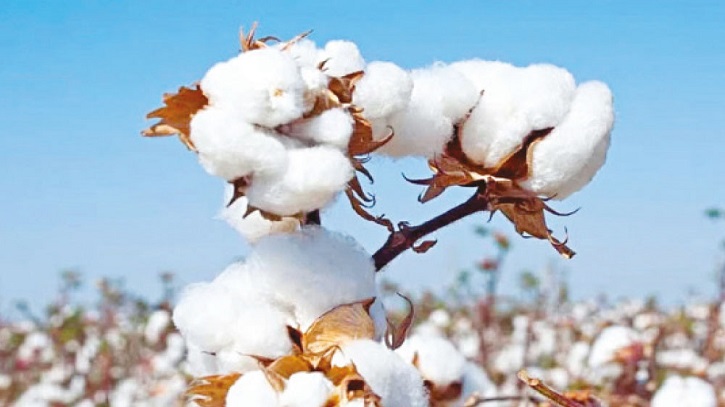
The goods covered under this tax exemption include raw cotton (picked or combed), synthetic staple fibers, acrylic, and artificial staple fibers, among others.
Earlier this year, the NBR had imposed a 2% Advance Income Tax (AIT) on cotton imports—a move that drew strong criticism from industry stakeholders, who argued it raised operational costs and hurt export competitiveness.
According to the Bangladesh Textile Mills Association (BTMA), the local textile sector consists of 1,858 spinning, weaving, dyeing, printing, and finishing mills, with a total investment of nearly USD 23 billion. The textile industry supplies around 70% of yarn and fabric to the country’s RMG sector—the largest contributor to national export earnings.
Industry leaders welcomed the move, saying that the withdrawal of source tax fulfills a long-standing demand of spinning and textile mill owners. They argued that the AIT increased the cost of doing business and negatively impacted liquidity and working capital flow for manufacturers.
“This is a timely and strategic decision that will strengthen competitiveness,” said Kutubuddin Ahmed, founder of Envoy Textiles Ltd. “It will help the industry remain efficient and globally aligned.”
The exemption covers HS Codes 5201 to 5507, which include raw cotton and synthetic fibers used in spinning processes. The NBR clarified that the decision has come into immediate effect.
Snehasish Barua, chartered accountant and tax expert, commented, “This is not just a tax policy revision—it’s a strategic move that will positively impact the economy and foster a stronger, more competitive, and sustainable textile sector.”
BTMA had been demanding the removal of AIT on fiber imports, pointing out that export supply chain companies are already tax-exempt, creating a mismatch between input tax and actual income.