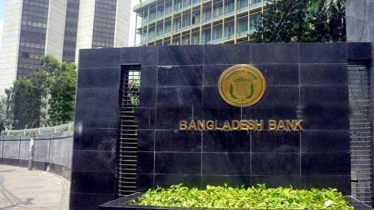

Bangladesh’s foreign exchange reserves are rising rapidly, offering renewed relief to the country’s economy. As of Thursday, the gross foreign exchange reserves increased to USD 32.57 billion. Under the BPM6 accounting standard, reserves stood at USD 27.88 billion. Previously, after settling Asian Clearing Union liabilities, reserves had declined to USD 31.14 billion in November. Officials said the strengthening reserve position is providing much-needed stability to the economy.
To build reserves, the central bank has purchased USD 2.87 billion from the market in the current fiscal year. A key factor behind the improvement is a reduction in informal money transfer channels, as stricter measures against money laundering have curtailed hundi operations. As a result, remittance inflows through formal channels have increased significantly. From the beginning of the current fiscal year until December 17, remittances totaled USD 15.04 billion, nearly 17 percent higher than during the same period of the previous fiscal year. In the last fiscal year, remittance inflows recorded growth of nearly 27 percent.
The sustained rise in remittances has helped stabilize the exchange rate, with the US dollar remaining steady at BDT 122 for an extended period.
At the time of the fall of the Awami League government, the country’s foreign exchange reserves had dropped to USD 20.48 billion. In contrast, Bangladesh’s reserves had crossed the USD 48 billion mark for the first time in August 2021, the highest level in the country’s history. Subsequently, reserves declined steadily due to continued dollar sales from the reserve. The current upward trend signals a recovery from that prolonged downturn.